

You don’t always need a degree to start teaching online. What you do need are the right skills, a bit of training, and a plan for getting noticed. A TEFL certification can boost your credibility, but platforms like Preply, Cambly, and italki make it possible to get started with nothing more than strong communication skills and a passion for helping learners succeed.
From choosing the right platform to marketing yourself with a great profile, the path to becoming an online teacher is about preparation and persistence. Building your confidence with technology, gathering student reviews, and continuing to grow your skills will set you apart in a crowded market.
Understanding the Basics
Teaching online without a degree is possible, but it comes with some challenges. The flexibility to work from anywhere is a huge perk, yet competition can be tough, and many platforms limit opportunities for teachers without formal credentials. That said, with the right preparation, you can still carve out a successful path in this space.
Essential Skills for Online Teaching
Even without a degree, you’ll need a strong set of skills to stand out. At the top of the list: a genuine passion for helping students learn. Pair that with patience, organization, and clear communication, and you already have the foundation of a great teacher.
Highlight these skills on your resume and in your teaching profile. If you’ve done any tutoring, mentoring, or training—even outside a classroom—make sure to include it. Employers and students care as much about your ability to engage and guide learners as they do about formal education.
Taking short courses, like ITA’s two-week, 30-hour program, can also sharpen your teaching skills and show that you’re serious about professional growth. If English is your focus, being a native speaker is often a big plus.
Importance of TEFL Certification
While not strictly required, a TEFL certification can make a huge difference. It signals to employers and students that you understand teaching strategies and can run effective lessons. Most reputable TEFL courses require around 120 hours of training, though advanced programs, like a 168-hour Level 5 certification, can take your credibility even further.
A TEFL not only boosts your confidence but also makes you more competitive, often leading to higher pay and easier access to jobs. It’s one of the best ways to stand out if you’re entering the online teaching world without a degree.
Choosing the Right Online Teaching Platforms
Picking the right platform is one of the most important steps when starting out. The good news is that several companies welcome teachers without degrees, focusing instead on skills, language ability, and your ability to connect with students.
Preply
Preply connects students with tutors from all over the world. You don’t need a degree or prior teaching experience, but being a native English speaker gives you an advantage. Rates range from about $10 to $45 per hour, and you can adjust your price as you gain experience. New tutors often start on the lower end to build a steady stream of students.
Preply does expect a commitment of around eight hours per week, so it’s a good choice if you want a flexible schedule but still plan to dedicate consistent time to teaching.
Cambly
Cambly is all about conversation practice. If you’re a native English speaker from certain countries, you can log in anytime and start chatting with learners who want to improve their fluency. There are no degree or teaching experience requirements, and you can work as many or as few hours as you’d like. The pay is lower than some other platforms, but the flexibility is unmatched.
italki
On italki, teachers set their own rates, create their own lesson plans, and market themselves directly to students. While a TEFL certification isn’t required, it helps your profile stand out and attract more learners. Many tutors charge around $10 an hour to start, and over time, you can increase your rates as you specialize or build a loyal following.
Building Your Online Teaching Profile
Your profile is the first impression students get of you, so it’s worth investing time to make it stand out. A strong profile highlights your skills, personality, and teaching style and helps students feel confident about booking lessons with you.
Crafting a Compelling Introduction Video
An intro video is one of the best ways to connect with potential students. Keep it short (about three minutes) and focus on showing your energy and teaching style. Introduce yourself, mention what subjects or skills you teach, and explain how you can help learners reach their goals.
High-quality video and clear audio make a big difference. Good lighting, a clean background, and speaking with enthusiasm will help students feel more engaged and excited to work with you.
Highlighting Relevant Experience
If you don’t have formal teaching experience, lean on other roles where you’ve helped people learn or develop. This might include tutoring classmates, running workplace training sessions, volunteering, or even mentoring. Skills like communication, patience, and leadership transfer well into teaching.
By positioning your background thoughtfully, you can show that you bring plenty of real-world experience to your lessons, even if your path hasn’t been traditional.
Marketing Yourself Effectively
Landing students isn’t just about being a good teacher—it’s also about making sure people can find you. Strong marketing helps you stand out from other tutors and build a steady flow of learners.
Utilizing Social Media
Social platforms can be powerful tools for attracting students. Share short tips, fun facts, or even snippets of your teaching style to give potential learners a taste of what it’s like to work with you. Using hashtags and following trends can increase your visibility, but consistency is key.
You don’t need to be everywhere at once. Pick one or two platforms where your target students are most active and focus on building your presence there.
Gathering Student Reviews
Reviews are one of the strongest forms of social proof. Ask your early students to leave feedback about their experience, and showcase those testimonials on your profile. Positive reviews build trust and make new students more likely to book lessons.
If you’re just starting out, you can encourage reviews by offering a small discount or bonus session in exchange for feedback. Once you have a few solid reviews, they’ll start attracting more students and boosting your credibility.
Setting Up Your Virtual Classroom
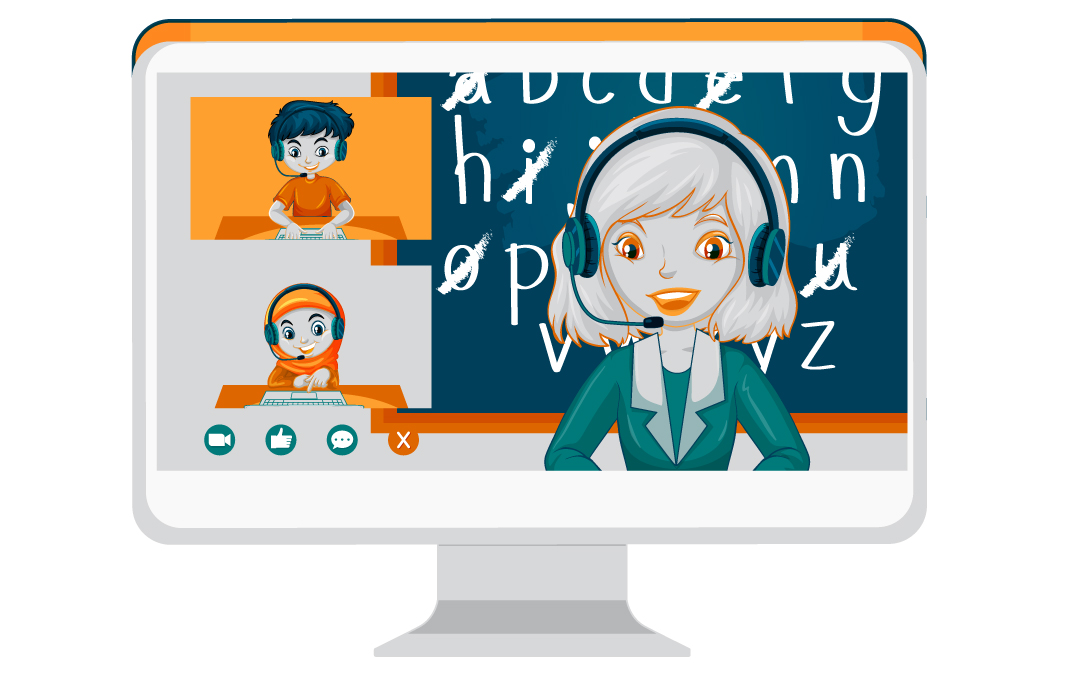
A professional, reliable setup makes a big difference in how students experience your lessons. You don’t need an expensive studio—just the right basics to create a smooth and engaging learning environment.
Necessary Equipment
At minimum, you’ll need:
– A reliable computer
– A webcam (external webcams often look better than built-in ones)
– A headset or USB microphone for clear audio
– A strong internet connection (wired is best for stability)
– Good lighting so students can see you clearly
A simple ring light or a well-placed lamp can do wonders for your video quality. Aim for at least 10Mbps download speed to avoid interruptions.
Optimal Classroom Setup
Your teaching space should feel welcoming and distraction-free. Keep the background tidy, position your camera at eye level, and use natural lighting when possible. Small details like these help create a more professional presence and make your lessons more engaging.
Creating Effective Lesson Plans
Well-structured lesson plans make your classes more engaging and easier for students to follow. They also help you stay organized and make sure every lesson connects back to your students’ goals.
Tailoring Lessons to Student Needs
Start by understanding where your students are and what they want to achieve. Some might need conversational practice, while others want grammar support or help preparing for exams. Adjust your lessons to fit those goals, and use student feedback to refine your approach as you go.
Incorporating Interactive Elements
Interaction keeps students focused and motivated. Use tools like interactive whiteboards, videos, quizzes, or even group discussions to make learning feel active. Switching up activities during a lesson also helps hold attention and reinforces key concepts.
Group classes can be particularly effective because students learn from each other, and the collaborative environment makes lessons feel more dynamic.
Continuous Professional Development
The best online teachers never stop learning. Staying updated with new methods, tools, and trends not only makes you more effective but also shows students that you’re serious about your craft.
Advanced TEFL Qualifications
If you’re focused on teaching English, advancing beyond a basic TEFL certification can really set you apart. Programs that go deeper into teaching strategies or specialized areas boost your confidence and make you more competitive. These extra credentials can also justify higher rates.
Joining Professional Communities
Connecting with other online teachers is a powerful way to grow. Online communities and forums give you a space to share resources, swap strategies, and get advice when challenges come up. These groups also offer emotional support, which is valuable when you’re working independently.
Being active in professional communities helps you keep your teaching fresh and reminds you that you’re part of a wider network of educators.

Managing Your Schedule
One of the biggest perks of online teaching is flexibility, but without boundaries, that flexibility can turn into overwhelm. Managing your time well helps you balance multiple platforms, keep students happy, and avoid burnout.
Balancing Multiple Platforms
Many new teachers sign up with more than one platform to build experience and income. This can work well, but it takes planning. Use calendars or scheduling apps to keep track of lessons across platforms, and block out time for prep and grading.
As you grow, you might find one platform that fits you best. At that point, you can focus your energy there and build a stronger student base.
Setting Boundaries
It’s tempting to say yes to every student request, but overbooking yourself leads to stress and lower-quality teaching. Set clear work hours, share them with your students, and stick to them.
You can also save time by creating a short FAQ document for new learners. Answering common questions up front reduces back-and-forth messages and helps set expectations early.
Scaling Your Online Teaching Business
Once you’ve built confidence and a steady stream of students, you can look for ways to grow beyond one-on-one lessons. Scaling your teaching business helps you reach more learners and increase your income without working around the clock.
Offering Group Lessons
Group classes allow you to teach multiple students at once. This not only boosts your earnings but also makes lessons more affordable for each student. The key is to design activities that keep everyone engaged, so every learner feels included.
Developing Your Own Curriculum
As you gain experience, creating your own lesson materials or even a full curriculum can set you apart. Students appreciate tailored content, and unique materials help build your brand as a teacher. A custom curriculum also gives you more control over pricing since you’re offering something original that other tutors can’t provide.
Over time, you might even branch out by creating courses or resources on your own website, which opens the door to building a long-term business.
Teaching Without a Degree is Possible
You don’t need a degree to succeed as an online teacher. All you need is the right mix of skills, preparation, and persistence. Building your teaching profile, earning a TEFL certification, and choosing the right platforms can get you started. From there, creating engaging lesson plans, setting up a solid classroom space, and marketing yourself effectively will help you grow.
As you gain experience, focus on professional development, good time management, and strategies for scaling your business, like group lessons or your own curriculum. With dedication and creativity, teaching online without a degree can become a flexible, rewarding career that connects you with students all over the world.
Frequently Asked Questions
Can I teach online without a degree?
Yes! Many platforms like Preply, Cambly, and italki don’t require a degree. Strong communication skills, certifications like TEFL, and a willingness to learn can help you succeed.
How can I make my online teaching profile stand out?
Create a short, engaging introduction video and highlight any relevant experiences, even outside traditional teaching. Show your personality, energy, and approach to learning.
What equipment do I need to teach online?
At minimum, you’ll need a computer, webcam, headset or good microphone, strong internet connection, and good lighting. A tidy, professional background also helps.
Why is a TEFL certification important?
TEFL certification boosts your credibility, shows you understand teaching methods, and makes you more competitive on platforms. It can also lead to higher pay.
How can I scale my online teaching business?
Try offering group lessons, creating your own curriculum, or building a website to market yourself. These strategies help you reach more students and grow your income.
Spotlightr Video Hosting For Your Course
Discover why Spotlightr is the #1 choice for course creators and e-learning professionals.
Register for a free 2 week trial, no credit card required.