
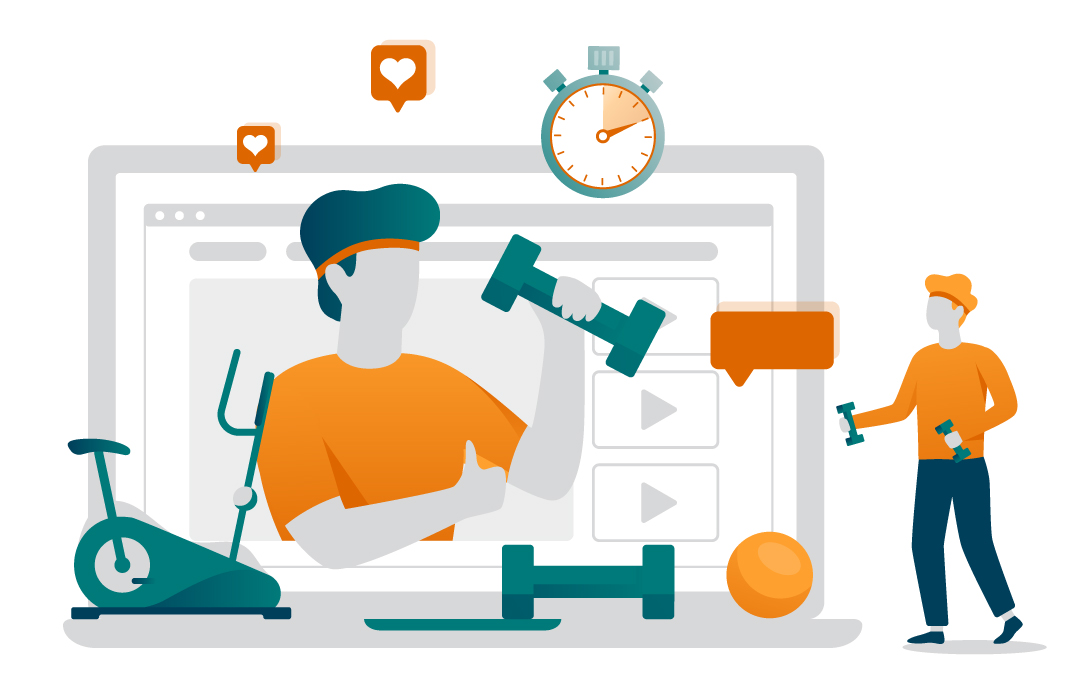
Selling fitness programs online has never been more approachable or more competitive. Success comes down to knowing who you’re trying to reach and choosing a business model that fits both your audience and your goals.
Whether you prefer subscriptions or one-time challenges, the right strategy can keep revenue steady and clients engaged. This guide walks through the essentials, from defining your niche to building a website and marketing your programs effectively.
Identify Your Target Audience
The first step in selling fitness programs and courses online is knowing exactly who you want to reach. Instead of trying to appeal to everyone, narrow your focus to a specific group—busy parents who need short workouts, young professionals looking to build strength, or beginners hoping for clear guidance. When you understand their goals and challenges, it’s much easier to design programs and marketing that speak directly to them.

Research Market Demand
Once you know who you want to serve, the next step is making sure there’s real demand for what you’re offering. The boom in at-home workouts has created plenty of opportunities, but the most successful programs focus on filling gaps in the market.
Start by looking at trends—what kinds of workouts are people searching for, and where are competitors falling short? Tools like keyword research and social media analytics can give you a clear picture of what people are asking for and talking about. With that insight, you can shape your programs around real needs instead of guessing.
Define Your Ideal Client Profile
Knowing your audience is one thing but understanding them on a deeper level is another. An ideal client profile goes beyond broad demographics and digs into details like their goals, frustrations, and daily routines. For example, you might find that your best clients are busy professionals in their late twenties who want efficient workouts they can do at home without a lot of equipment.
Conduct Surveys and Interviews
One of the simplest ways to understand what your clients want is to ask them directly. Short surveys, polls, or even casual conversations can reveal what people struggle with, what motivates them, and what they’d like in a program. These insights often highlight things you might not pick up from market data alone.
Choose the Right Business Model
Even the best workout program won’t sell if the business model doesn’t match your audience’s needs. Some people like the commitment and ongoing support of a subscription, while others prefer the simplicity of paying once for a complete plan. You may also find that offering both—a hybrid model—gives clients the flexibility they want while providing you with steady income.
Develop Your Fitness Program Offerings
A strong program gives clients structure, guidance, and results. Start with a clear plan for the first few weeks, then adjust as you learn what works best for your audience. Programs that run 8–12 weeks often strike the right balance between being long enough to see progress but short enough to stay motivating.
Variety also matters. Offer plans that target different goals—like weight loss, muscle gain, or general fitness—and deliver them in formats your clients can easily use. Videos, PDFs, and app-based routines all work, and adding extras like nutrition tips or progress tracking makes your programs even more valuable.
Design Effective Workout Plans
The best workout plans are clear, structured, and tailored to your audience. Lay out the basics—exercises, sets, reps, rest periods—so clients know exactly what to do each week. Programs that run about four weeks at a time give structure while leaving room to adjust as clients progress.
Mixing up the types of exercises keeps people engaged. Blend bodyweight moves, strength training, cardio, and mobility work so clients don’t feel stuck doing the same routine. Always include modifications and low-impact alternatives to make the plan accessible for different fitness levels.
Safety and good form should guide every workout you design. Use demos, step-by-step instructions, or short videos to help clients follow along correctly. Progress tracking tools, whether inside an app or through simple checklists, can also keep clients motivated and show them how far they’ve come.
Include Meal Plans and Nutrition Tips
Workouts alone can only take clients so far—nutrition often makes the difference in reaching their goals. Adding simple meal plans or practical nutrition tips to your programs gives clients more complete support and helps them see results faster.
These don’t need to be complicated. Clear guidance on portion sizes, balanced meal ideas, or grocery lists can go a long way. If you’re certified to provide nutrition advice, you can take it further with personalized plans. Even small additions like healthy recipe ideas can add value and make your programs feel more well-rounded.
Provide Supporting Resources
Little extras can make your fitness programs stand out. Instructional videos, progress trackers, or motivational content help clients stay on track and feel supported between workouts. Even short check-in messages or reminders can boost accountability and make clients feel connected.
Consider building a community element, too. A private group or online forum gives clients space to share progress, ask questions, and encourage each other. That sense of belonging often keeps people engaged longer than workouts alone.

Build a Professional Online Presence
Your online presence is often the first impression potential clients will have of you, so it needs to reflect both your expertise and your style.
Create a User-Friendly Website
Think of your website as your digital gym where people decide whether they want to train with you. A clear, professional site makes it easy for visitors to understand what you offer and how to sign up. Keep the design simple, highlight your most popular programs, and include a clear call-to-action on the homepage.
Your site should also work smoothly on any device, since many clients will check it from their phone. Fast load times, easy navigation, and concise descriptions go a long way in keeping people from clicking away. If building a site from scratch feels overwhelming, website builders or fitness-specific platforms can help you get set up quickly with templates designed for trainers.
Leverage Social Media Platforms
Social media is one of the fastest ways to connect with potential clients and show off your expertise. Choose the platforms your audience actually uses and focus on sharing content that feels useful and authentic. Short workout clips, behind-the-scenes posts, or client success stories all help build trust and interest.
Always include a clear next step, like a link to your sales page or a call to sign up for a free trial. And don’t just post—engage. Reply to comments, answer questions, and interact with followers so they see you as approachable and invested in their progress. Over time, this kind of interaction builds a community that’s more likely to convert into paying clients.
Set Up Secure Payment Methods
When clients are ready to buy, the checkout process needs to feel simple and safe. Using trusted payment providers like Stripe or PayPal gives clients confidence that their information is secure. A smooth, professional payment flow also reduces drop-offs and makes it more likely people will complete their purchase.
It’s a good idea to offer a couple of payment options so clients can choose what works best for them. Clear refund policies and free trial options can also build trust and remove hesitation at checkout. The easier you make it to pay, the faster you’ll turn interest into sales.
Optimize Your Sales Funnel
A strong sales funnel makes it easier to turn interest into paying clients. Start by offering something simple—like a low-cost workout plan or a free trial—that lowers the barrier to entry. Once people see value in what you provide, you can introduce subscription options or higher-priced programs that keep them engaged long-term.
Think about the client journey: discovery, trust, purchase, and retention. Use email marketing to stay connected, create landing pages that highlight results, and track which strategies actually bring in sales. Small tweaks—like adjusting your pricing page or refining your welcome email sequence—can make a big difference in conversion rates over time.
Adjust Strategies Based on Data
The best fitness businesses don’t set a plan once and forget it—they adapt. Use the insights from your analytics and client feedback to guide your next moves. If a landing page isn’t converting, test new headlines or layouts. If clients ask for shorter workouts or more nutrition support, adjust your programs to match.
Making changes based on real data keeps your business moving forward. Instead of guessing, you’ll know what resonates, what needs refining, and where to invest your time. Over time, this cycle of testing and improving helps you build a stronger, more sustainable online fitness business.
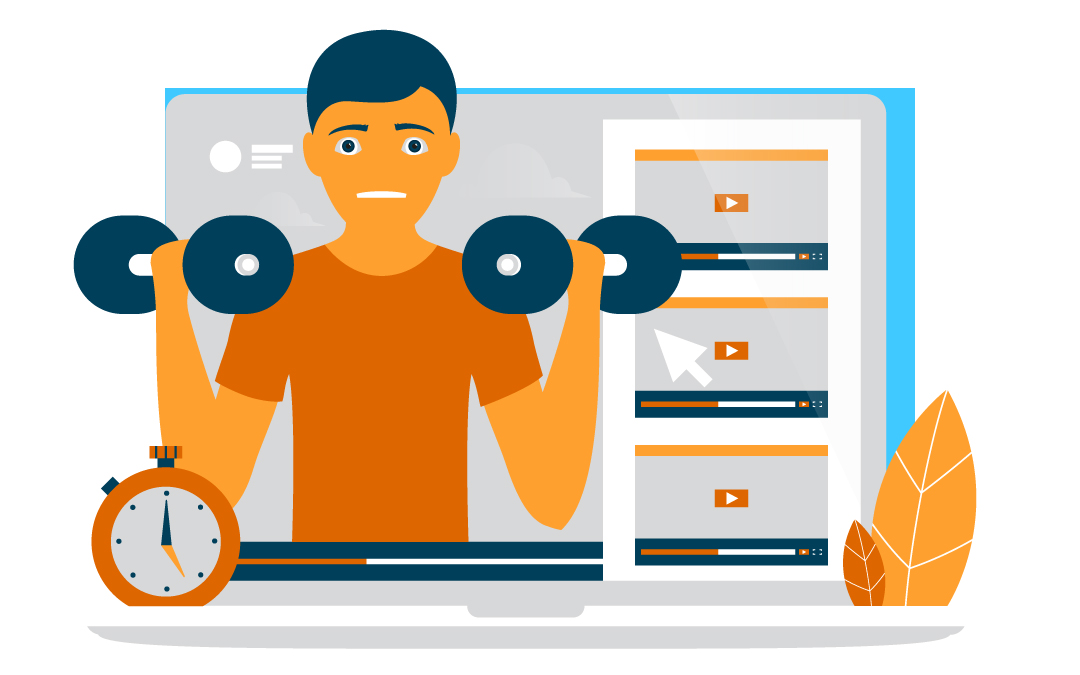
Provide Supporting Resources
Little extras can make your fitness programs stand out. Instructional videos, progress trackers, or motivational content help clients stay on track and feel supported between workouts. Even short check-in messages or reminders can boost accountability and make clients feel connected.
Consider building a community element, too. A private group or online forum gives clients space to share progress, ask questions, and encourage each other. That sense of belonging often keeps people engaged longer than workouts alone.
Frequently Asked Questions
Why does identifying a target audience matter?
When you know exactly who you’re speaking to, you can design workouts and marketing that feel tailored to them. Instead of trying to appeal to everyone, you’ll attract the right clients and keep them more engaged.
What’s the benefit of a subscription model?
Subscriptions create steady, recurring income while giving clients ongoing access to workouts, coaching, or extra support. If you can keep members engaged, this model can become the backbone of your business.
How do I keep client data secure?
Stick with trusted payment gateways like Stripe or PayPal and make sure your site uses encryption. These steps protect sensitive information and build trust with your clients.
What role do lead magnets play?
A good lead magnet—like a free trial or short workout plan—gets people in the door. Once you have their email, you can build a relationship through helpful follow-ups that guide them toward your paid programs.
Why is performance tracking important?
Tracking your numbers shows you what’s working and what isn’t. With that insight, you can refine your offers, improve the client experience, and grow your business more steadily over time.
Spotlightr Video Hosting For Your Course
Discover why Spotlightr is the #1 choice for course creators and e-learning professionals.
Register for a free 2 week trial, no credit card required.