
Generating quality leads is essential for any business that sells directly to consumers. If you’re launching a new product or scaling an existing one, having the right strategy in place makes a measurable difference in how many potential customers you attract and how many convert.
This guide breaks down seven proven business-to-consumer (B2C) lead generation strategies. From content marketing and social media to automation tools and data analysis, these methods help you engage the right audience, build trust, and guide more buyers through your funnel. Each approach is designed to be actionable and adaptable, so you can start applying them based on your business goals and customer behavior.
Understanding B2C Lead Generation
B2C lead generation focuses on attracting and converting individual consumers, not businesses. These strategies are designed to capture the attention of everyday shoppers and guide them toward making a purchase.
Unlike B2B marketing, which often involves long sales cycles and multiple decision-makers, B2C lead generation typically targets one person making a faster, emotionally-driven buying decision. This means your messaging needs to be personal, engaging, and relevant.
Both inbound and outbound tactics play a role. Inbound methods—like blog content, search engine optimization, and social media—draw customers in by offering value. Outbound strategies—such as paid ads and email outreach—actively reach out to potential leads.
Sales and marketing teams work together to develop these campaigns using data and feedback to refine their approach. When done well, B2C lead generation creates a steady stream of qualified leads, increasing conversions and helping businesses grow in competitive markets.
1. Effective Content Marketing
Content marketing remains one of the most reliable ways to attract B2C leads. By creating valuable, relevant content, businesses can build trust and move potential buyers closer to a purchase.
Different formats work for different audiences. Blog posts, videos, and downloadable resources all serve as entry points that draw consumers into your brand experience.
Blog Posts and Articles
Well-written blog content helps your business appear in search results, which increases visibility and drives organic traffic. To get the most from your efforts, focus on keywords your audience is actively searching for. Choose topics that answer common questions or solve specific problems.
Guest posting on trusted sites within your niche can also help you reach new readers while strengthening your brand’s authority.
Video Content
Video continues to outperform other content formats in terms of engagement. Short tutorials, product explainers, testimonials, and FAQ videos are especially effective for capturing attention and keeping viewers interested.
With most internet users watching video daily, this format offers a strong opportunity to educate and convert leads more quickly than written content alone.
2. Leveraging Social Media Marketing
Social media is one of the most powerful tools for B2C lead generation. It gives businesses direct access to potential customers where they’re already spending time and opens the door to real-time interaction and brand discovery.
Success on social media comes from a mix of organic engagement and paid promotion. The goal is to create content that encourages interaction, builds interest, and guides users toward taking action—like clicking a link, signing up, or making a purchase.
Targeted Ads on Social Platforms
Platforms like Facebook, Instagram, and TikTok offer advanced targeting tools that help you reach specific audiences based on location, behavior, interests, and demographics. This level of precision makes paid ads highly effective for generating quality leads.
Strong ad visuals paired with clear, compelling copy can stop the scroll and spark interest. Whether you’re introducing your brand or promoting a special offer, these campaigns can generate quick results when aligned with your audience’s needs.
Engaging Social Media Posts
Not every post needs to sell. In fact, the most effective social content often focuses on interaction. Use polls, questions, behind-the-scenes content, and user-generated posts to spark conversation and build community.
High-quality visuals and concise, on-brand captions help grab attention, especially on image-forward platforms like Instagram. When your content resonates, users are more likely to share it. And sharing leads to visibility, which leads to more potential customers discovering your brand.
3. Optimizing Your Website and Landing Pages
Your website is often the first place potential customers land after engaging with your content or ads. If the experience is confusing or unappealing, even the most effective marketing efforts won’t convert. That’s why a well-designed, user-friendly website is essential for strong B2C lead generation.
User-Friendly Design
Start by making sure your website is easy to navigate. Visitors should be able to find what they need quickly, no matter if it’s product information, pricing, or a contact form. Clear structure, responsive design, and fast load times make a big difference in keeping users engaged.
If bounce rates are high, it’s worth looking into how your content is presented. Simple adjustments like adding headings, visuals, or transcripts for video content can improve both user experience and SEO performance.
Effective Calls to Action
Strong calls to action (CTAs) guide visitors toward becoming leads. Whether it’s “Sign up for our newsletter” or “Claim your free trial,” every CTA should be clear and easy to find.
Pop-ups and embedded forms can help capture more information, especially when they offer something of value in return. In some cases, using interactive content can boost opt-in rates significantly.
Treat each landing page like a focused sales pitch. Highlight the offer, make the next step obvious, and remove anything that might distract from conversion.
4. Email Marketing for Lead Nurturing
Once someone joins your list, email becomes one of the most effective ways to turn interest into action. A well-planned email strategy keeps your brand top of mind and helps guide leads through the buying process.
With personalization and automation, you can create emails that feel relevant and timely without manually writing every message.
Personalized Email Campaigns
People are more likely to engage with emails that feel tailored to them. Something as simple as using the recipient’s name can increase open and click-through rates. Highlighting past purchases or browsing behavior makes the message feel even more specific and useful.
Triggered emails, such as reminders for abandoned carts or follow-ups after a download, reach leads at the right moment and can recover potential lost sales.
Automated Email Sequences
Automated sequences save time while keeping your leads engaged. These pre-set emails can introduce your brand, offer helpful content, or deliver exclusive deals depending on where the lead is in the customer journey.
When integrated with your CRM, automation helps your sales team stay informed about who’s ready to convert and who might need more nurturing. The result is a smoother, more efficient process that meets customers where they are.
5. Utilizing Chatbots for Instant Engagement
Today’s customers expect quick responses. If they have a question while browsing your site, they want answers right away without waiting for an email reply or searching through pages of content. That’s where chatbots come in.
Chatbots help capture leads in real time by offering instant support and guiding visitors through your site. When powered by natural language processing, they can answer common questions, and point users toward the next step—all without needing a live agent.
24/7 Customer Support
A chatbot never sleeps. It can welcome visitors at any time of day, provide product details, or help troubleshoot common issues. This kind of around-the-clock service builds trust and keeps potential customers from bouncing simply because no one was available to help.
Instant responses improve the user experience, which can lead to higher satisfaction and more conversions.
Gathering Lead Information
Beyond answering questions, chatbots are excellent tools for collecting lead data. They can ask for a visitor’s name, email address, interests, or location, all while keeping the conversation natural and low-pressure.
This real-time interaction not only helps qualify leads but also gives your team valuable insights into what potential customers are looking for.
6. Analyzing Data for Improved Lead Generation
Tracking and analyzing your data is key to understanding what’s working and what needs to change. When you monitor lead generation metrics closely, you can make smarter decisions that improve both lead quality and conversion rates.
Tracking Key Metrics
Start by measuring essential indicators like click-through rates, bounce rates, form submissions, and conversion percentages. These numbers reveal how people are interacting with your content, landing pages, emails, and ads.
Using tools like Google Analytics or your CRM system, you can see where leads are coming from, which campaigns perform best, and where people drop off. This insight helps you refine your marketing and better allocate resources.
Adjusting Strategies Based on Insights
Once you have the data, put it to work. If certain content types or channels outperform others, focus more attention there. If a landing page has high traffic but low conversions, test new copy, design changes, or different CTAs.
Regular reviews help you stay agile and make informed updates that improve results over time. Small tweaks based on real insights often lead to noticeable improvements in lead generation performance. And if using video for lead generation avoid important pitfalls that may affect your conversions.
7. Cross-Promoting Email Marketing and Social Media
Your email list and your social media audience don’t have to operate in separate lanes. When you connect the two, you create more touchpoints, expand your reach, and reinforce your message across multiple platforms.
Cross-promotion helps you turn casual followers into subscribers and loyal subscribers into active brand advocates.
Coordinated Campaigns
Running aligned campaigns across email and social media increases visibility and consistency. For example, you might tease a product launch on Instagram, then send a more detailed announcement through email. This layered approach creates anticipation and drives more traffic to your key landing pages.
You can also use social proof from one platform to strengthen another. Sharing positive reviews or user-generated content from Instagram in your email newsletter, for instance, builds credibility and encourages clicks.
Leveraging Social Proof
When people see others engaging with your brand, they’re more likely to trust it. Highlight testimonials, customer stories, and popular posts in both your emails and social content. The more evidence you show that others find value in what you offer, the more likely new leads are to take interest.
Effective B2C Lead Gen Requires a Mix of Strategies
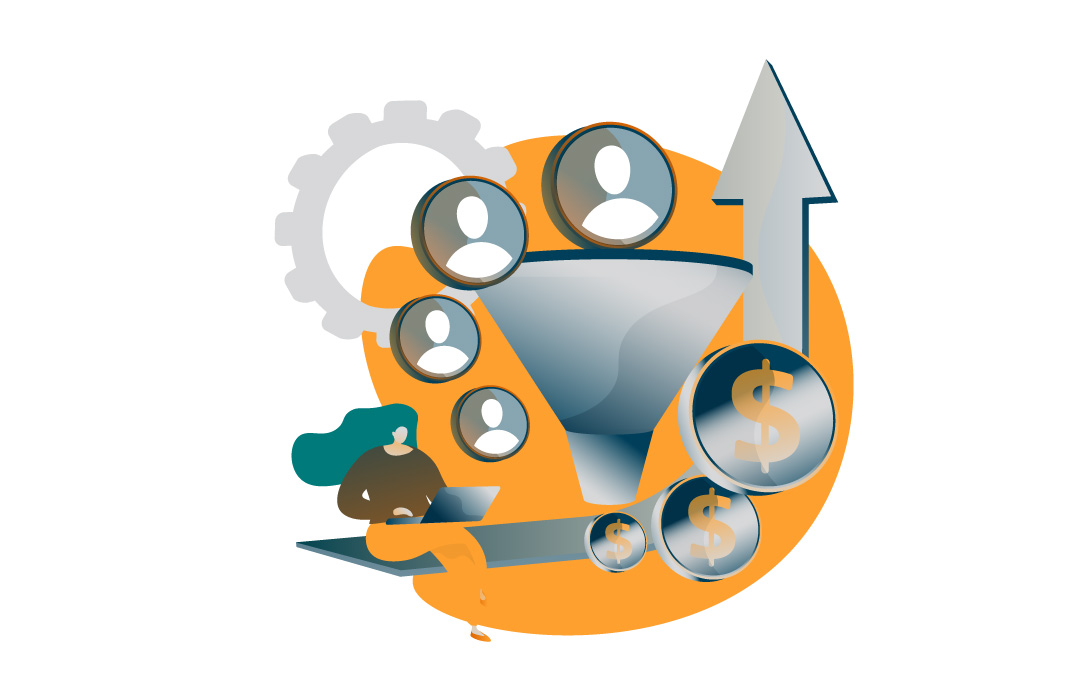
Effective B2C lead generation relies on a mix of strategies that meet consumers where they are and guide them toward action. From content marketing and social media to email campaigns, chatbots, and data analysis, each approach plays a specific role in attracting, nurturing, and converting leads.
The key is to stay consistent and refine your strategy based on what works. When you combine these efforts with a clear understanding of your audience, you create a lead generation system that brings in traffic and drives real growth.
Frequently Asked Questions
What is B2C lead generation?
B2C lead generation is the process of attracting individual consumers and guiding them toward becoming paying customers. It focuses on building interest and trust through targeted marketing strategies.
How does content marketing help generate leads?
Content marketing draws in potential customers by providing useful, relevant information. It builds trust and positions your brand as a helpful resource, which increases the chances of conversion over time.
Why are chatbots useful for lead generation?
Chatbots offer immediate support, answer questions in real time, and gather valuable information from visitors. They help qualify leads and keep potential customers engaged without requiring manual input from your team.
How can I optimize my website for better lead generation?
Focus on fast load times, mobile responsiveness, clear navigation, and strong calls to action. Landing pages should be easy to understand and designed to move visitors toward the next step.
What’s the benefit of combining email and social media marketing?
Cross-promotion extends your reach and reinforces your message across platforms. It allows you to connect with leads in multiple ways and create a more unified brand experience.
Spotlightr Video Hosting For Your Course
Discover why Spotlightr is the #1 choice for course creators and e-learning professionals.
Register for a free 2 week trial, no credit card required.